Global Balance Report — A Path Toward Stability Monday, 16 March 2026
🌍 HARMONY NATION
Global Balance Report — A Path Toward Stability
Date: Monday, 16 March 2026
Edition: Global Analysis & Solutions Report
The world today is navigating one of the most complex geopolitical environments since the end of the Cold War. Rapid technological advancement, shifting economic alliances, environmental pressures, and renewed geopolitical rivalries are shaping the global order. While none of these forces individually threatens global stability, their combined effect is creating a fragile balance that requires careful diplomacy and coordinated policy responses. Harmony Nation’s analysis of today’s global developments suggests that humanity is currently in a transitional phase—moving from the post-Cold War era of globalization toward a new system defined by technological competition, climate urgency, and multipolar power dynamics.
The Technology Power Struggle
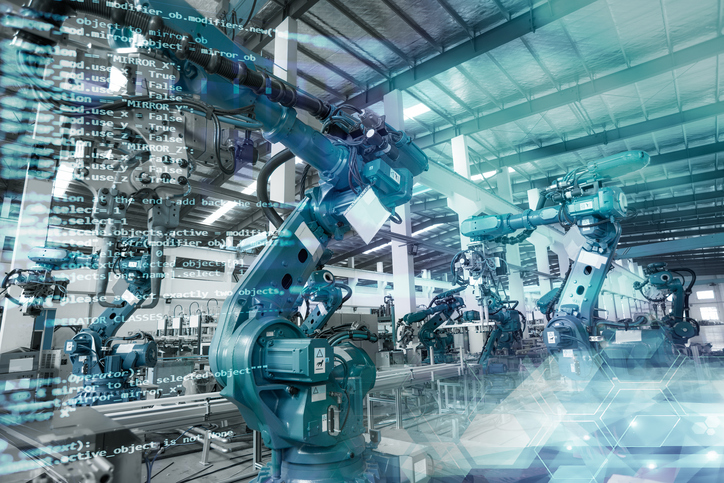
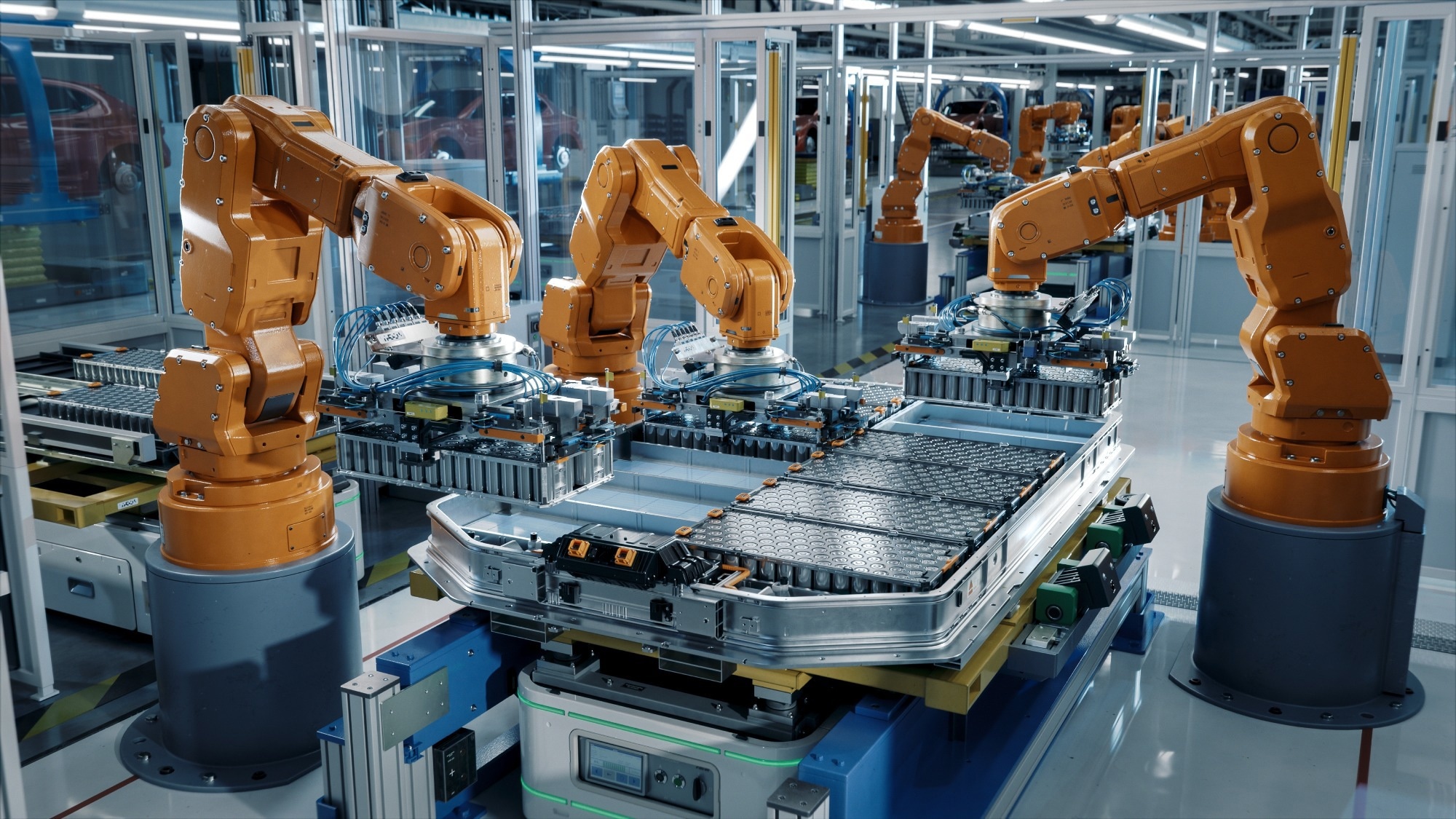
One of the most significant forces shaping today’s geopolitical environment is the global competition for technological dominance. Artificial intelligence, semiconductors, quantum computing, and advanced robotics have become the core strategic technologies of the 21st century. Countries such as the United States, China, members of the European Union, Japan, and South Korea are investing unprecedented amounts of capital into research infrastructure, chip fabrication plants, and high-performance computing facilities.
Technology is no longer simply an economic tool—it is increasingly a strategic asset that determines national power. The nation that leads in artificial intelligence and semiconductor manufacturing gains advantages not only in industry and finance but also in defense, cybersecurity, and global influence. As a result, governments are implementing export controls, forming strategic supply chain alliances, and subsidizing domestic technology sectors.
However, the risk emerging from this race is the potential fragmentation of the global technological ecosystem. If technological networks split into competing blocs, the world could see the creation of separate digital systems, restricted research collaboration, and technological trade wars. Such fragmentation would slow innovation and deepen geopolitical mistrust.
The most balanced solution lies in establishing an international technology governance framework. Rather than allowing competition to become isolationist, global institutions should encourage cooperative research protocols and shared safety standards for artificial intelligence and emerging technologies. A multilateral council composed of major technology powers could coordinate AI safety regulations, semiconductor supply chain transparency, and cybersecurity norms. Cooperation in science historically reduces geopolitical tension, and maintaining shared research platforms could prevent the technology race from turning into a digital cold war.
Economic Uncertainty and Global Market Anxiety



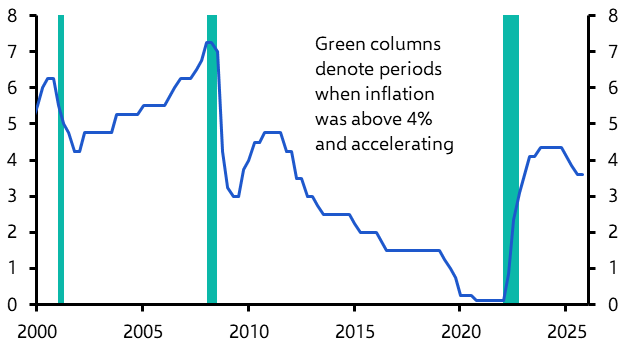
Another defining issue shaping the global situation today is economic uncertainty. The international economy is currently balancing between inflation control, economic growth, and structural transformation. Central banks in many countries are carefully adjusting interest rate policies to stabilize inflation while avoiding recessionary pressures. At the same time, supply chains that were disrupted during the pandemic years are being reorganized, with many countries attempting to reduce dependency on single manufacturing hubs.
This restructuring has created cautious financial markets. Investors remain optimistic about the long-term prospects of the digital economy, particularly sectors related to artificial intelligence, biotechnology, and renewable energy. Yet uncertainty remains high because economic stability increasingly depends on geopolitical stability.
Economic fragmentation would be one of the most dangerous outcomes of current geopolitical rivalries. Trade restrictions, tariffs, and competing economic blocs could weaken global growth and increase inequality between regions. A more constructive path would be the reinforcement of cooperative economic frameworks. International financial institutions such as the International Monetary Fund and the World Bank should expand programs that stabilize emerging economies and support infrastructure development.
Equally important is maintaining open trade corridors. Even rival geopolitical powers continue to rely heavily on each other’s markets and supply chains. Strengthening global trade mechanisms through institutions such as the World Trade Organization would help maintain economic interdependence, which historically acts as a powerful deterrent against conflict.
Climate Pressure and Environmental Instability
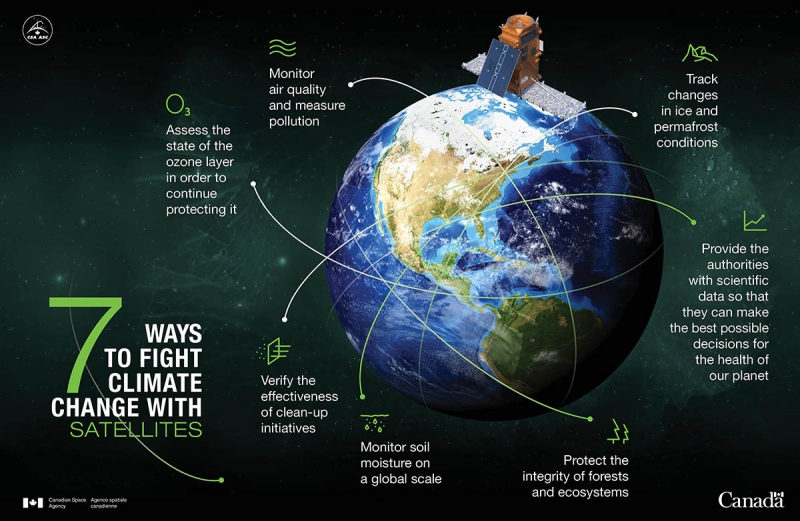


While geopolitical competition and economic uncertainty dominate headlines, climate change remains the most profound long-term challenge facing humanity. Rising global temperatures are intensifying droughts, floods, and extreme weather events across multiple regions. Agricultural systems are increasingly vulnerable, water resources are becoming contested in some areas, and infrastructure in many cities is being tested by climate-related disasters.
Environmental instability does not remain confined to ecological issues—it quickly becomes a geopolitical concern. Water shortages can trigger regional tensions, food insecurity can destabilize societies, and climate-driven migration can strain international relations.
The global response must therefore move beyond symbolic commitments and toward practical adaptation strategies. Renewable energy expansion is already accelerating in many countries, and technological innovations in solar, wind, and energy storage are reducing the cost of clean power generation. However, mitigation alone will not be enough.
Governments and international institutions must prioritize climate resilience. Investment in flood protection systems, water infrastructure, climate-resistant agriculture, and disaster-preparedness technologies will be essential. A coordinated global climate adaptation fund could help vulnerable regions strengthen resilience before environmental crises evolve into humanitarian or geopolitical conflicts.
Renewed Geopolitical Rivalries


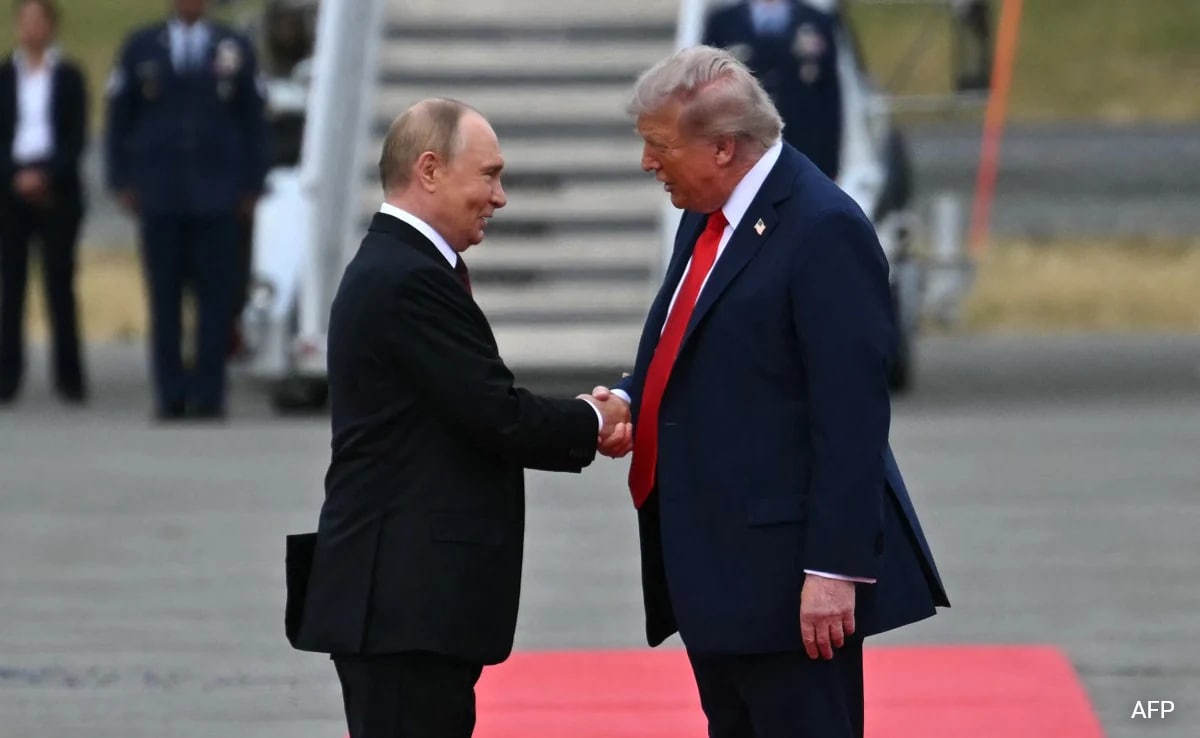
The geopolitical environment of today is increasingly defined by a multipolar distribution of power. Several major powers are competing for influence across technology, trade, and security domains. Strategic alliances are evolving, regional power balances are shifting, and military modernization programs are expanding in many countries.
Despite these rivalries, the global system remains interconnected. Diplomatic dialogue continues through international organizations, economic partnerships, and regional forums. This ongoing communication is a crucial stabilizing factor in international politics.
History demonstrates that geopolitical tensions become dangerous primarily when communication channels break down. Preventive diplomacy therefore remains one of the most important tools for maintaining stability. International institutions should focus on expanding crisis-communication frameworks that allow governments to resolve misunderstandings before they escalate into confrontation.
Neutral diplomatic mediators—countries with balanced relations across geopolitical blocs—can play a particularly important role in facilitating dialogue. Strengthening these diplomatic bridges would reduce the risk of miscalculation in a complex multipolar world.
The Opportunity Within the Crisis
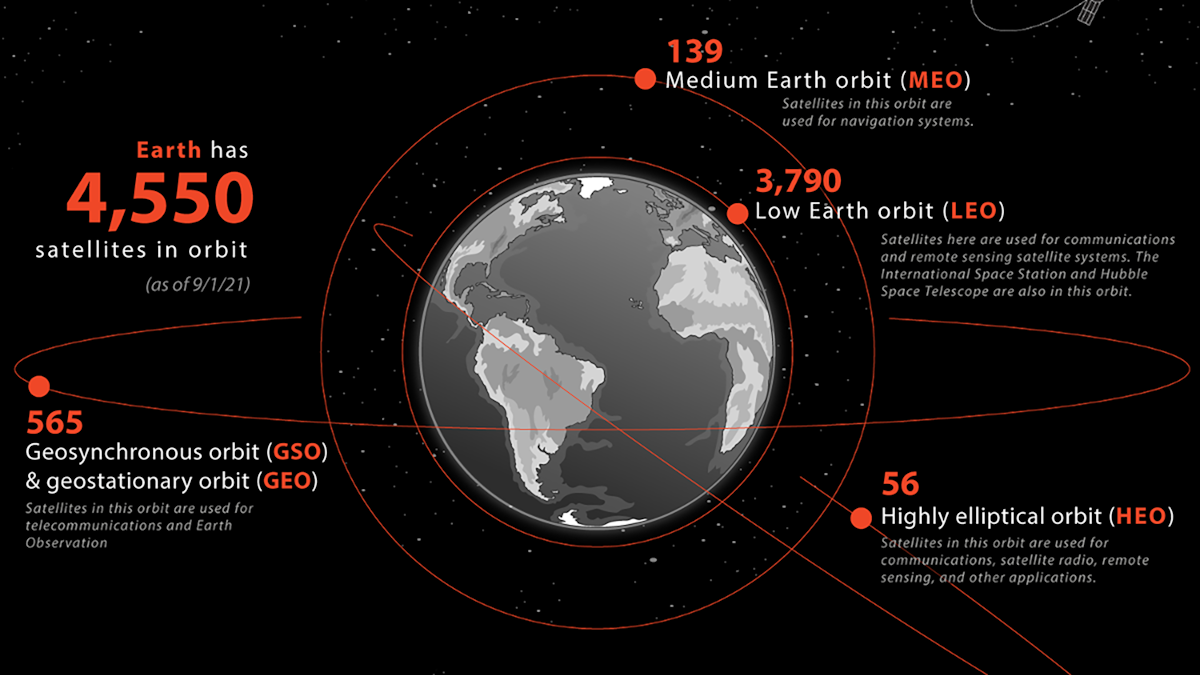

Although the world faces significant challenges, it is also entering one of the most transformative scientific eras in human history. Artificial intelligence, space exploration, biotechnology, advanced materials, and renewable energy systems are advancing at extraordinary speed. These technologies hold the potential to solve problems that have challenged humanity for generations.
The central question of the coming decade is whether technological progress will deepen global divisions or foster a new era of collaboration. If nations focus solely on competition, technological breakthroughs may intensify geopolitical rivalry. If they choose cooperation, however, these same innovations could accelerate global prosperity and stability.
The path forward requires a balanced strategy built on four pillars: technological cooperation, economic interdependence, environmental resilience, and sustained diplomatic dialogue. These pillars reinforce each other. Shared scientific research reduces geopolitical tension, economic cooperation strengthens diplomatic relationships, and climate collaboration promotes humanitarian stability.
Conclusion: A Balanced Future Is Still Possible
The world today is not on the brink of collapse, nor is it entering an inevitable period of conflict. Instead, it is undergoing a structural transition toward a new global order shaped by technology, environmental realities, and multipolar geopolitics.
Whether this transition leads to instability or cooperation will depend largely on policy choices made during the coming decade. Governments, institutions, and scientific communities have the capacity to guide global development toward a balanced future. By reinforcing international cooperation in technology governance, economic policy, environmental protection, and diplomacy, humanity can transform today’s challenges into opportunities for collective progress.
Harmony Nation’s conclusion tonight is therefore cautiously optimistic: the challenges facing the world are real and complex, but the tools to address them already exist. What remains necessary is the political will to use them wisely.


Comments
Post a Comment